

ENiCrMo-11 is a nickel‑chromium‑molybdenum‑copper‑tungsten alloy covered electrode designed for joining highly corrosion‑resistant nickel alloys, 6–7% molybdenum‑bearing superaustenitic stainless steels, and duplex stainless steels. Known commercially as HASTELLOY® G‑30® electrode, this alloy provides outstanding resistance to phosphoric and nitric acid environments, as well as aggressive oxidizing and reducing conditions. The low‑hydrogen coating ensures smooth arc characteristics, low spatter, and stable metal transfer, enabling fabricators to achieve consistent weld quality on demanding projects.
ENiCrMo-11 is widely used in phosphoric and nitric acid production, pulp and paper processing, chemical processing equipment, pollution control systems, marine engineering, and power generation. The electrode delivers excellent operability in all positions, easy slag removal, and superior corrosion resistance for severe service environments.
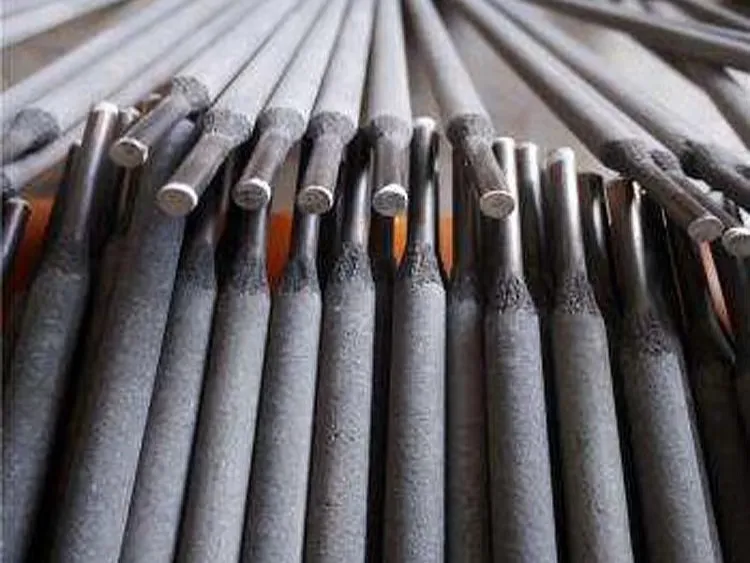
ENiCrMo-11
| Standard | Classification |
| AWS A5.11 | ENiCrMo‑11 |
| ASME II, Part C, SFA‑5.11 | ENiCrMo‑11 |
| UNS | W86030 |
| EN ISO 14172 | E Ni 6030 (NiCr28Fe14Mo6W4Cu2) |
| Element | Ni | Cr | Fe | Mo | W | Cu | Co | Mn | Si | C | P | S |
| Content (%) | Balance | 28.0–31.5 | 13.0–17.0 | 4.0–6.0 | 1.5–4.0 | 1.0–2.4 | 5.0 max | 1.50 max | 0.80 max | 0.03 max | 0.04 max | 0.02 max |
The balanced nickel‑chromium‑molybdenum composition, with the addition of copper and tungsten, provides outstanding resistance to phosphoric and nitric acid environments, as well as excellent resistance to pitting, crevice corrosion, and stress corrosion cracking in chloride‑containing environments.
| Property | AWS Standard (min.) |
| Tensile Strength, psi | 85,000 |
| Tensile Strength, MPa | 590 |
| Elongation (4d), % | 25 |
Note: The above values are minimum requirements per AWS A5.11. Typical values may exceed these minima. Actual mechanical properties may vary depending on welding parameters, joint design, and base material condition.
Ø Exceptional resistance to phosphoric and nitric acid environments, including both concentrated and dilute conditions
Ø Outstanding resistance to pitting, crevice corrosion, and chloride ion stress corrosion cracking in aggressive aqueous media
Ø Excellent performance in both oxidizing and reducing acid media, including sulfuric acid, hydrochloric acid, and acetic acid
Ø Superior resistance to intergranular corrosion due to low carbon content
Ø Good resistance to wet process phosphoric acid (WPA) used in fertilizer production
Ø Low‑hydrogen coating minimizes hydrogen‑induced cracking, especially critical for high‑strength steels and thick sections
Ø Smooth arc characteristics with low spatter, easy slag removal, and stable metal transfer
Ø Excellent operability in all positions (flat, horizontal, vertical, overhead)
| Category | Details |
|---|---|
| Nickel Alloys | HASTELLOY® G‑30® (UNS N06030), HASTELLOY® G‑3®, and other nickel‑chromium‑molybdenum alloys |
| Superaustenitic Stainless Steels | 6–7% molybdenum‑bearing stainless steels including S31254 (254SMO®), N08367 (AL‑6XN®), and N08926 (1925hMo®) |
| Duplex Stainless Steels | 2205, 2507 (Super Duplex), and other duplex grades |
| Dissimilar Metal Joints | Nickel alloys to stainless steels, nickel alloys to carbon steels, and other dissimilar combinations |
| Industrial Applications | Phosphoric acid production (wet process phosphoric acid evaporators, reactors, and piping), nitric acid production equipment (absorbers, condensers, and heaters), pulp and paper digesters and bleach plants, chemical processing reactors, heat exchangers, and storage tanks, flue gas desulfurization (FGD) systems, waste incineration and pollution control equipment, pharmaceutical and fine chemical manufacturing, marine engineering and offshore platforms, nuclear fuel reprocessing equipment, overlay cladding on carbon and low alloy steels for corrosion protection |
Polarity: Direct Current, Electrode Positive (DCEP / DC reverse polarity)
Pre‑weld Preparation:
Electrode Conditioning:
Recommended Current Range (for typical diameters):
| Electrode Diameter | Current Range |
| 2.5 mm (3/32″) | 50–80 A |
| 3.2 mm (1/8″) | 80–120 A |
| 4.0 mm (5/32″) | 120–160 A |
Welding Techniques:
Ø Use a short arc length to minimize atmospheric contamination and prevent porosity
Ø Control interpass temperature (typically below 150°C / 300°F) to prevent overheating and maintain corrosion resistance
Ø For dissimilar metal joints, minimize dilution from the dissimilar metal member by adjusting welding parameters and technique
Ø Remove slag thoroughly between passes
Diameter options:
Packaging:
Ø Reliable production quality meeting AWS A5.11 and ASME SFA‑5.11 requirements
Ø Strict quality control for nickel‑based alloy electrodes
Ø Low‑hydrogen coating ensures smooth arc, low spatter, and easy slag removal
Ø Global export experience with on‑time delivery
Ø Technical support for welding procedure qualification
1. What is ENiCrMo‑11 welding electrode used for?
ENiCrMo‑11 is primarily used for welding HASTELLOY® G‑30® and other nickel‑chromium‑molybdenum alloys, as well as 6–7% molybdenum‑bearing superaustenitic stainless steels (such as S31254 and N08367) and duplex stainless steels (including 2507). It is particularly suited for phosphoric and nitric acid production equipment and other severe corrosive environments.
2. What are the key corrosion resistance properties of ENiCrMo‑11?
It provides exceptional resistance to phosphoric and nitric acid environments, as well as outstanding resistance to pitting, crevice corrosion, and chloride ion stress corrosion cracking. The alloy also performs well in both oxidizing and reducing acid media, including sulfuric acid, hydrochloric acid, and acetic acid.
3. What is the difference between ENiCrMo‑11 and ENiCrMo‑3 (Inconel 625 electrode)?
ENiCrMo‑11 (HASTELLOY® G‑30®) contains copper (1.0–2.4%) and tungsten (1.5–4.0%), which enhance its resistance to phosphoric and nitric acid environments compared to ENiCrMo‑3. It also has higher chromium content (28.0–31.5%) and lower molybdenum (4.0–6.0%), making it specifically optimized for mineral acid service.
4. What polarity and current are required?
ENiCrMo‑11 operates with Direct Current, Electrode Positive (DCEP / DC reverse polarity). Refer to the recommended current range based on electrode diameter.
5. What is the recommended interpass temperature?
Interpass temperature should be controlled below 150°C (300°F) to prevent weld metal overheating, grain growth, and loss of corrosion resistance.
6. How should ENiCrMo‑11 electrodes be stored and conditioned?
ENiCrMo‑11 electrodes have a low‑hydrogen coating and must be stored in a dry environment. Before use, electrodes should be baked at 250–300°C (480–570°F) for 1–2 hours to remove moisture and prevent hydrogen‑induced cracking. Do not rebake more than twice.


 English
 Español
 русский язык
 اللغة العربية