

Scope: Nickel Alloys, Stainless Steel, and Related Raw Materials
Sources: Publicly available industry data and market information from the LME, SMM, Mysteel, the General Administration of Customs of China, the European Commission, South Africa's International Trade Administration Commission (ITAC), Indonesia's Ministry of Energy and Mineral Resources (ESDM), and other relevant sources.
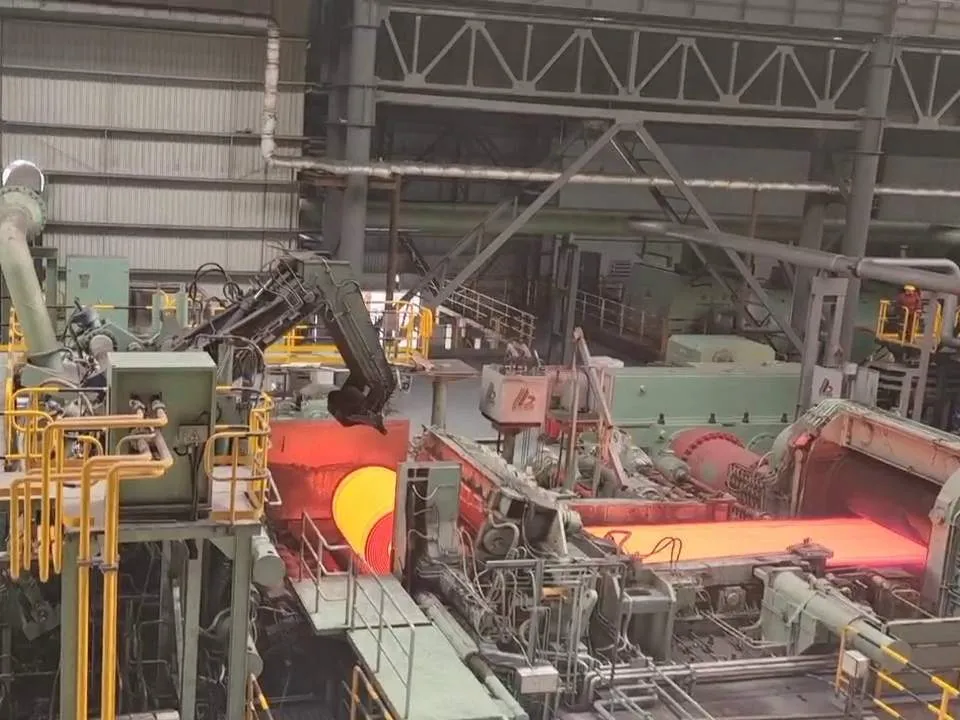
According to data released by Mysteel on October 9, China's crude stainless steel output from 43 mills reached 3.5552 million tonnes in September 2026, down 4.97% month on month but up 3.75% year on year. Production comprised 1.0232 million tonnes of 200-series stainless steel, 1.9224 million tonnes of 300-series, and 609,600 tonnes of 400-series.
Planned output for October stands at 3.514 million tonnes, down 1.16% month on month and broadly unchanged year on year. Planned production includes 1.0824 million tonnes of 200-series, 1.8028 million tonnes of 300-series, and 628,800 tonnes of 400-series stainless steel.
Overall planned output is expected to decline slightly in October. Planned 300-series production is approximately 6.22% below September's actual output, indicating divergent production adjustments among stainless steel mills. Reduced 300-series output may provide some support to future supply conditions. However, with inventory destocking remaining slow, price stabilization will still depend largely on end-user demand.
European Union: Requirements for proving the country of melt and pour for covered steel imports took effect on October 1. Exporters should pay closer attention to product coverage, production origin, traceability, and the preparation of supporting documentation.
Indonesia: According to ANTARA News on October 7, the Indonesian government is considering a moratorium on new nickel smelting projects producing semi-finished materials to address global oversupply and falling prices. If implemented, the measure could reshape expectations for medium- and long-term nickel supply growth.
South Africa: ITAC released preliminary findings in the second phase of its steel tariff review in September, proposing higher import duties on certain steel products and an expanded import permit control framework. Proposed tariff changes affecting certain stainless steel flat-rolled products and fasteners warrant close attention from exporters.
Authority: European Commission
Key Provisions:
From October 1, 2026, importers of steel products covered by the relevant EU Steel Regulation must declare the country in which the steel was melted and poured and provide supporting evidence containing the relevant country and heat number information. During the applicable transitional period, invoices, mill test certificates, supplier declarations, and other documents may be accepted as alternative or supplementary evidence where they meet the regulatory requirements.
Business Implications:
Traceability requirements for steel exports to the EU are becoming more explicit. Exporters should verify mill test certificates (MTCs), heat numbers, and production-origin information in advance to reduce the risk of customs clearance delays and customer compliance issues.
Authority: Indonesia's Ministry of Energy and Mineral Resources (ESDM)
Key Provisions:
On October 7, 2026, the Indonesian government indicated that it was considering restrictions on new nickel smelting projects producing semi-finished materials, while prioritizing downstream industries manufacturing finished products. The proposal is intended to address global nickel oversupply and declining prices.
Business Implications:
Indonesia's nickel industry policy may gradually shift from expanding smelting capacity toward improving capacity structure and supporting downstream processing. If restrictions are implemented, the expansion of certain semi-finished nickel production capacities could slow, potentially improving medium- and long-term market expectations.
However, existing production capacity and inventories may continue to weigh on prices. Any short-term nickel price recovery will depend on actual supply, demand, and inventory developments.
Authority: International Trade Administration Commission of South Africa (ITAC)
Key Provisions:
According to reports on the preliminary findings of ITAC's second-phase steel tariff review, the proposed changes include increasing import duties on stainless steel flat-rolled products with a width of 600 mm or more from 0% to 10%, and on stainless steel fasteners from 10% to 30%.
Business Implications:
The proposals remain subject to the applicable review and decision-making process, and final implementation should not be assumed. If adopted, higher duties could reduce the price competitiveness of certain imported products and create opportunities for domestic suppliers.
However, if South African producers cannot adequately meet demand for specific stainless steel grades, dimensions, or product specifications, importers may face higher procurement costs and tighter supply.
Exporters should monitor the final tariff rates, applicable customs tariff codes, and any preferential treatment or duty-relief provisions.
The EU's country-of-melt-and-pour requirements increase the importance of production traceability and supporting documentation.
Exporters supplying the EU should coordinate with mills and trading partners to confirm heat numbers, quality certificates, and production-origin information before shipment.
Proposed South African tariff increases could change importers' landed costs and supplier selection. Exporters should calculate landed costs using the applicable tariff classifications and avoid relying on outdated duty rates when preparing quotations.
Weak nickel prices are putting downward pressure on the raw material costs of stainless steel and certain nickel alloy products. For orders with long procurement cycles, exporters should assess how price fluctuations may affect margins.
Indonesia's proposed restrictions on new smelting projects could influence medium- and long-term supply expectations. In the short term, however, the market will remain constrained by existing capacity, inventories, and downstream demand.
The stainless steel market remained generally weak in early October. On October 8, the first trading day after the holiday, stainless steel futures fluctuated at relatively weak levels.
On October 9, the benchmark price for 304 cold-rolled stainless steel was approximately RMB 13,650–13,850 per tonne.
Although planned 300-series production continues to decline, social inventories are being drawn down slowly, while expectations for the traditional autumn peak season have become more cautious.
According to SMM market data, the most-active Shanghai nickel futures contract closed at RMB 117,810 per tonne on October 12, falling below the RMB 120,000-per-tonne threshold. London Metal Exchange (LME) nickel prices also generally weakened in early October.
Expectations of global nickel oversupply, changes in Indonesia's nickel industry policies, and exchange inventory levels remain important drivers of market sentiment.
Market Outlook:
Weaker nickel prices may reduce raw material cost support for certain stainless steel and nickel alloy products. The actual impact will depend on each product's cost structure, procurement cycle, and supply-demand conditions.
Discussions about tighter approval of new Indonesian smelting projects are not, by themselves, evidence that current nickel supply has already contracted.
In early October, the United States introduced new restrictions on exports of aircraft parts to China, affecting the commercial aviation sector and potentially military-related aviation supply chains. These developments may indirectly affect high-performance nickel alloy supply chains and influence procurement schedules for materials such as Inconel 718 and Inconel 625 in aerospace applications.
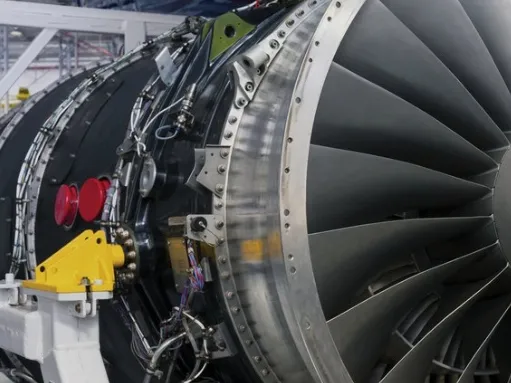
Nickel-based superalloys are widely used in aircraft engines, gas turbines, and other high-temperature equipment. Cast superalloy master alloys are important upstream materials in the production of complex, high-temperature components.
As aerospace, power generation, and other advanced equipment sectors demand materials with improved high-temperature performance and complex component geometries, cast superalloys and related master alloys may offer additional market opportunities.
Continued improvements in domestic material development, manufacturing, and quality control capabilities are also creating opportunities for the localization of selected high-end materials.
Demand across nickel alloy grades is becoming increasingly differentiated by application.
Aerospace and power generation: Inconel 713C, Inconel 718, and Inconel 625 are relevant to high-temperature and demanding service environments.
Chemical processing and corrosion resistance: Alloy 20 and Hastelloy C-276 serve applications requiring resistance to corrosive environments.
Marine and offshore engineering: Monel 400 and Monel K-500 are used in selected marine and offshore applications, with demand influenced by offshore energy projects.
High-temperature industrial furnaces: Incoloy 800H is used in elevated-temperature equipment across sectors such as petrochemicals and power generation.
Cast superalloy master alloys may offer localization opportunities as domestic production capabilities develop. Actual demand growth, however, will depend on application-specific requirements, qualification processes, and end-user investment.
Explore our nickel alloy and stainless steel product range to find suitable materials for your application. Contact our team for specifications, availability, and pricing.
Explore Nickel Alloy Products →From October 1, covered steel imports must meet the applicable country-of-melt-and-pour documentation requirements.
Exporters should strengthen controls over production-origin records, heat numbers, and quality documentation, while confirming that all relevant supply chain partners can provide the required evidence.
Indonesia is considering tighter controls on new nickel smelting projects producing semi-finished materials. The policy discussion suggests a greater emphasis on managing capacity and developing downstream industries rather than simply expanding smelting output.
If implemented, these measures could influence market expectations and the long-term nickel pricing outlook. However, the market's transition from oversupply-driven pricing toward greater policy influence remains a possibility rather than an established outcome.
Demand patterns differ across aerospace, chemical processing, marine engineering, and high-temperature industrial applications. Relevant grades include Inconel 713C, Inconel 718, Inconel 625, Alloy 20, Hastelloy C-276, Monel 400, Monel K-500, and Incoloy 800H.
Cast superalloy master alloys may offer further opportunities for domestic substitution as manufacturing capabilities, quality assurance, and customer qualification progress.
Over the next quarter, export markets may be characterized by raw material cost pressure, stricter compliance requirements, and increasingly differentiated demand across product segments.
This report is for general industry information and market analysis only. Policy proposals, price assessments, and demand outlooks may change as new information becomes available. Exporters should verify applicable regulations, tariff classifications, and market quotations before making commercial decisions.
Ronsco is a trusted global supplier of nickel alloy and stainless steel welding wires, including Inconel, Hastelloy, and Monel series. Our products are manufactured to meet industry standards and are widely used in demanding applications such as aerospace, oil & gas, chemical processing, and power generation. Explore our resource center for the latest industry insights, product knowledge, and technical references.
Contact us for a quote or technical assistance.



 English
 Español
 русский язык
 اللغة العربية