

Heat exchangers are widely used in industries such as oil & gas, petrochemical, chemical processing, power generation, marine engineering, and energy systems. Because heat exchanger tubes and components often operate under high temperatures, pressure, and corrosive environments, selecting the right welding wire is essential to ensure weld strength, corrosion resistance, and long service life.
Welding wire for heat exchanger applications is usually selected according to the base material, operating temperature, corrosion conditions, and welding process. Common materials include stainless steel welding wire, nickel alloy welding wire, and other high-performance alloy filler metals.
As a professional welding wire supplier, we provide nickel alloy, stainless steel, and special alloy welding wires manufactured according to international standards such as AWS A5.9 and AWS A5.14 for heat exchanger fabrication and repair applications.
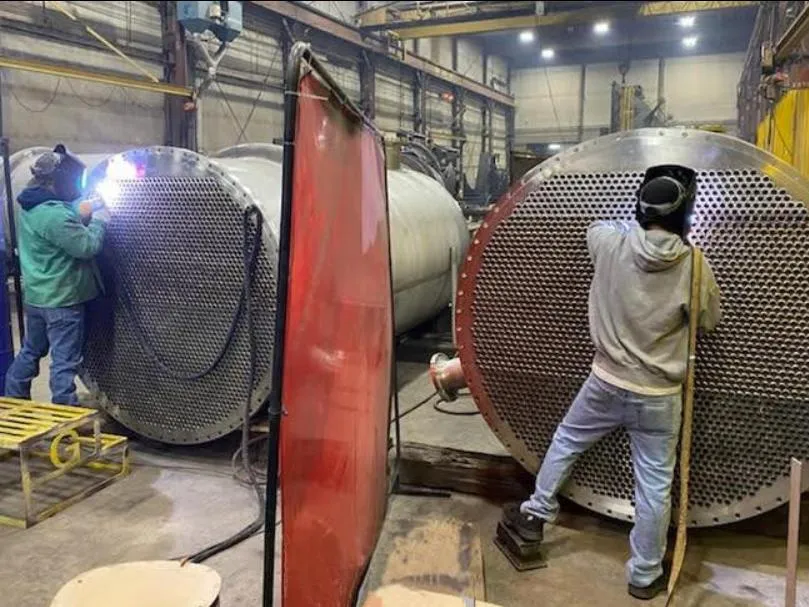
The welding wire used for heat exchangers depends mainly on the material of the heat exchanger tubes and shells.
Common welding wire types include:
| Heat Exchanger Material | Recommended Welding Wire |
|---|---|
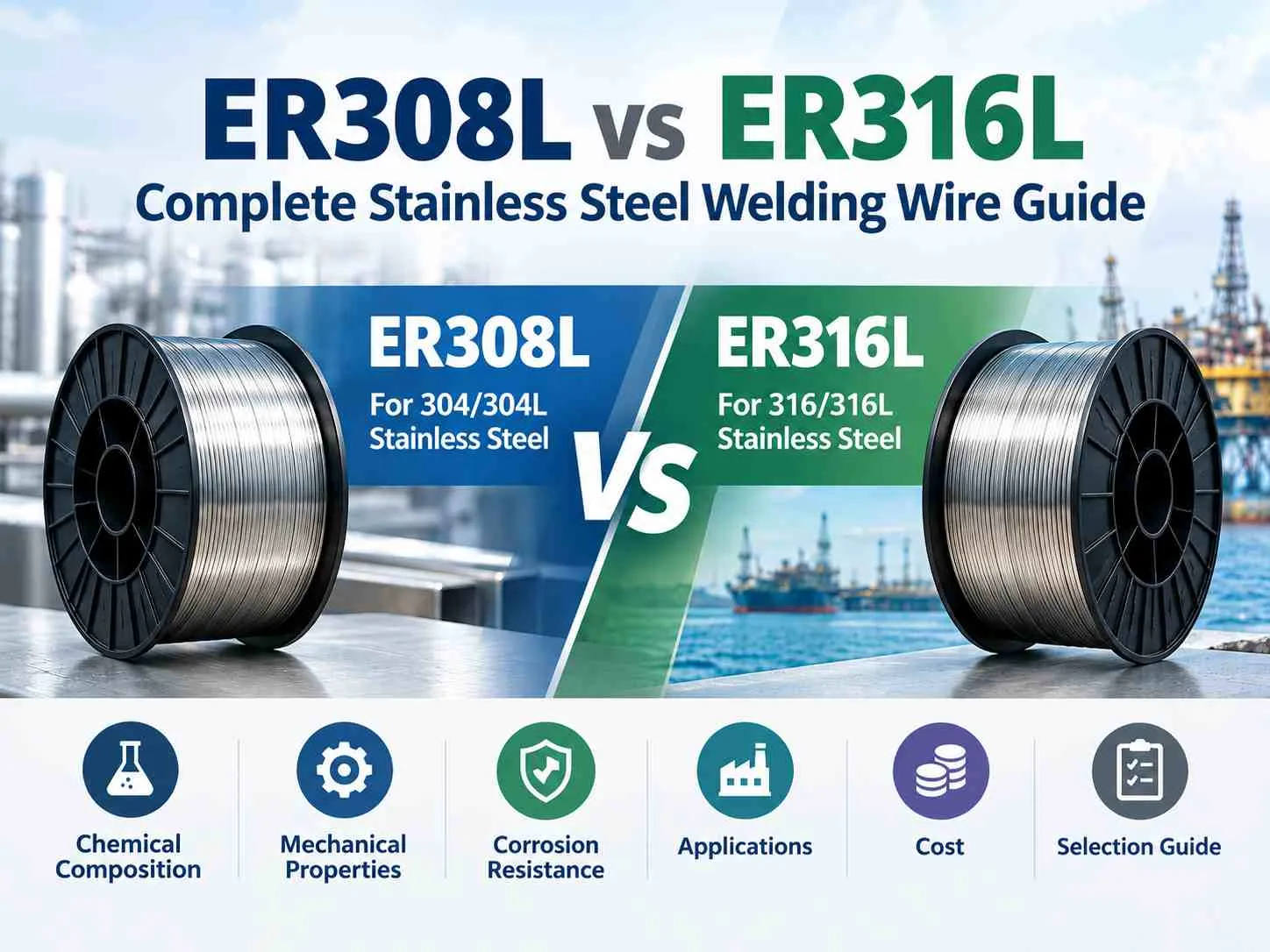
| Stainless steel 304/304L | ER308L stainless steel welding wire |
| Stainless steel 316/316L | ER316L stainless steel welding wire |
| Duplex stainless steel | ER2209 welding wire |
| Super duplex stainless steel | ER2594 welding wire |
| Nickel alloys | ERNiCrMo series welding wire |
| Inconel alloys | ERNiCrFe series welding wire |
| Copper-nickel alloys | ERNiCu series welding wire |
For demanding heat exchanger applications, nickel alloy welding wires are commonly selected because they provide excellent resistance against chloride corrosion, oxidation, high temperature environments, and chemical attack.
Many heat exchangers used in aggressive environments require nickel alloy materials due to their superior corrosion resistance.
Typical nickel alloy welding wires include:
ERNiCrMo-3 is one of the most widely used nickel alloy welding wires for heat exchanger applications.
It is commonly used for:
Advantages:
ERNiCrFe series welding wires are commonly used for welding and repairing nickel-chromium-iron alloys.
Typical applications include:
These filler metals provide excellent resistance to stress corrosion cracking and high-temperature oxidation.
For heat exchangers exposed to severe chemical environments, ERNiCrMo-10 welding wire is often selected.
Applications include:
It offers excellent resistance to:
Stainless steel is one of the most common materials used in heat exchanger production due to its good corrosion resistance and cost efficiency.
ER308L is mainly used for welding 304 and 304L stainless steel heat exchanger components.
Common applications:
ER316L provides better corrosion resistance than ER308L because of its molybdenum content.
It is widely used in:
Selecting suitable welding wire requires consideration of several factors:
The filler metal should match or exceed the corrosion resistance and mechanical properties of the base material.
For example:
High-temperature heat exchangers require welding wires with excellent creep resistance and oxidation resistance. Nickel alloy welding wires are commonly preferred for temperatures where conventional stainless steel materials cannot provide sufficient performance.
Different industries require different corrosion resistance:
Heat exchanger fabrication commonly uses:
Common welding wire forms include:
Quality welding wire for heat exchanger manufacturing is usually supplied according to international specifications.
Common standards include:
Material traceability and inspection documents such as MTC (Mill Test Certificate) are also important for critical heat exchanger projects.
Heat exchanger welding wires are widely used in:
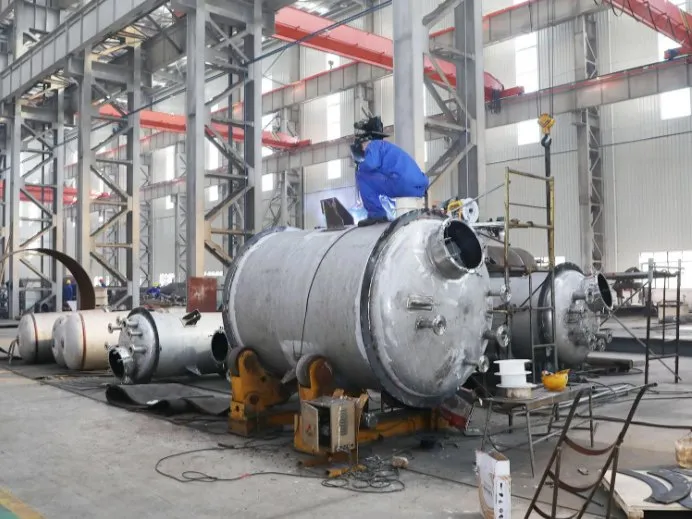
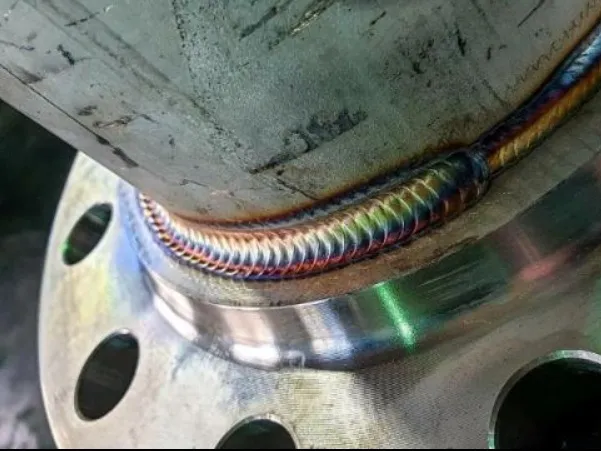
We supply high-performance welding wires for heat exchanger manufacturing, including nickel alloy welding wire, stainless steel welding wire and special alloy welding wire. Our products are available in various grades, including ERNiCrMo series, ERNiCrFe series, ERNiCu series, ER308L, ER316L, ER2209 and ER2594.
We support customized specifications, different diameters, packaging options, and provide material certificates according to customer requirements.
If you need welding wire for heat exchanger tubes, nickel alloy components, or corrosion-resistant equipment, please contact us for technical support and quotation.
Email: support@ronsteel.com
Whatsapp: +8617773160488
Ronsco is a trusted global supplier of nickel alloy and stainless steel welding wires, including Inconel, Hastelloy, and Monel series. Our products are manufactured to meet industry standards and are widely used in demanding applications such as aerospace, oil & gas, chemical processing, and power generation. Explore our resource center for the latest industry insights, product knowledge, and technical references.
Contact us for a quote or technical assistance.


 English
 Español
 русский язык
 اللغة العربية