

Nickel alloy tubes are widely used in industrial environments where corrosion resistance, high-temperature strength, and long-term operational reliability are essential. From chemical processing and oil and gas production to power generation and heat exchange systems, these materials provide dependable performance under demanding service conditions.
Choosing the right manufacturer of nickel alloy tubes is an important step in ensuring material quality, dimensional accuracy, and suitability for specific operating environments.
This guide introduces common nickel alloy grades, tube manufacturing options, industrial applications, and key considerations when selecting a reliable nickel alloy tube manufacturer and supplier.
To receive a faster and more accurate quotation, include the following in your inquiry: drawing or specification; alloy grade; quantity; certification requirements; required delivery date; and destination port.
Send Your Inquiry →Nickel alloy tubes are tubular products manufactured from nickel-based alloys containing elements such as chromium, molybdenum, iron, copper, and other alloying additions. Their chemical composition is designed to provide specific properties for different industrial applications.
Compared with conventional stainless steel tubes, certain nickel alloys offer enhanced resistance to aggressive chemicals, localized corrosion, high temperatures, and other challenging operating conditions.
Corrosion resistance: Designed to withstand various corrosive media, including acids, alkaline solutions, and chloride-containing environments, depending on the alloy grade.
High-temperature performance: Certain nickel alloys maintain mechanical strength and structural stability at elevated temperatures.
Resistance to localized corrosion: Selected grades provide improved resistance to pitting and crevice corrosion.
Mechanical reliability: Suitable for applications involving pressure, thermal cycling, and demanding operating conditions.
Versatile material selection: Different nickel alloy families offer solutions for chemical processing, marine environments, heat exchangers, and industrial equipment.
The selection of nickel alloy tubes should always be based on the actual operating environment, including temperature, pressure, chemical composition, and expected service life.
A reliable nickel alloy tube manufacturer should be able to supply different material grades according to application requirements, technical specifications, and industry standards.
The following nickel alloy grades are commonly used in industrial tube applications.
| Nickel Alloy Grade | Main Characteristics | Typical Applications |
|---|---|---|
| Inconel 600 | Good oxidation resistance and high-temperature strength | Heat treatment equipment, furnace components |
| Inconel 625 | Excellent corrosion resistance and high strength | Marine engineering, chemical processing, oil and gas |
| Inconel 718 | High strength and good performance at elevated temperatures | Aerospace and high-temperature equipment |
| Hastelloy C276 | Excellent resistance to a wide range of aggressive chemicals | Chemical processing, pollution control |
| Hastelloy C22 | Strong resistance to oxidizing and reducing environments | Chemical reactors, industrial processing |
| Monel 400 | Good resistance to seawater and hydrofluoric acid | Marine equipment, chemical processing |
| Monel K500 | Higher strength than Monel 400 with good corrosion resistance | Pumps, valves, marine components |
| Incoloy 800 / 800H | Good resistance to oxidation and carburization at high temperatures | Heat exchangers, industrial furnaces |
| Incoloy 825 | Excellent resistance to acidic and chloride-containing environments | Chemical processing, oil and gas |
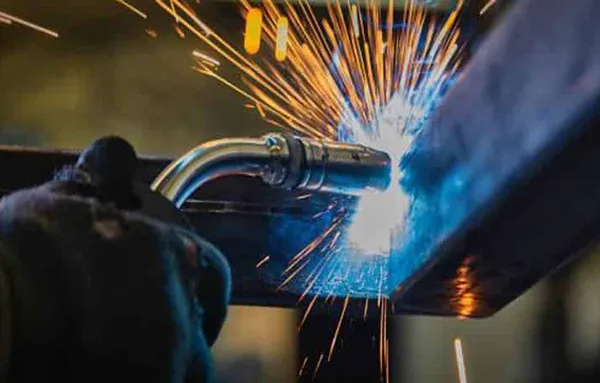
The nickel alloy grades used in tube manufacturing are also widely applied in welding and fabrication. Selecting the appropriate filler metal is essential for achieving compatible weld metal composition, mechanical properties, and corrosion resistance.
For manufacturers and fabricators working with nickel alloy tubes, the availability of suitable welding consumables is equally important. Explore our nickel alloy welding wire products below to find filler metals compatible with different alloy grades and welding applications.
ERNiCr-3 Welding Wire
ERNiCrMo-3 Welding Wire
ERNiFeCr-2 Welding Wire
ERNiCrMo-4 Welding Wire
ERNiCrMo-10 Welding Wire
ERNiCu-7 Welding Wire
ERNiCu-7 Welding Wire
ERNiFeCr-1 Welding Wire
ERNiCrMo-3 Welding Wire
When sourcing nickel alloy tubes, buyers should evaluate the available manufacturing processes, dimensions, tolerances, and finishing options to ensure compatibility with their intended applications.
Seamless nickel alloy tubes are manufactured without a longitudinal weld seam. They are commonly used in applications requiring consistent wall thickness, pressure resistance, and structural integrity.
Typical applications include:
Heat exchangers
High-pressure piping systems
Chemical processing equipment
Oil and gas production systems
Industrial instrumentation
Welded nickel alloy tubes are produced by forming nickel alloy strip or plate into tubular shapes and joining the edges through a welding process.
Depending on the application and specifications, welded tubes can provide a practical solution for industrial equipment, structural applications, and certain heat transfer systems.
The selection between seamless and welded tubes depends on operating pressure, dimensional requirements, applicable standards, and project specifications.
Nickel alloy tubes can be sourced according to different dimensional requirements, including:
| Specification | Available Requirements |
|---|---|
| Outside diameter | Customized according to project requirements |
| Wall thickness | Thin-wall and heavy-wall options |
| Tube length | Standard or customized lengths |
| Manufacturing type | Seamless or welded |
| Material grade | Various nickel alloy grades |
| Surface condition | Pickled, annealed, polished, or specified finish |
For specialized applications, dimensional tolerances and surface requirements should be confirmed before production or procurement.
Heat treatment is an important part of nickel alloy tube production because it influences mechanical properties, microstructure, and material performance.
Depending on the grade and applicable specification, tubes may undergo solution annealing or other specified heat treatment processes.
Surface finishing options may include:
Pickled surface
Bright annealed surface
Polished surface
Customized surface finish
The appropriate treatment and finish should be determined according to the material grade, manufacturing standard, and end-use requirements.
Nickel alloy tubes are used across a wide range of industries because different nickel-based alloy families offer specialized combinations of corrosion resistance, mechanical strength, and temperature performance.
Nickel alloy tubes are used in selected oil and gas applications involving corrosive fluids, high temperatures, and demanding operating conditions.
Common applications include:
Downhole and production equipment
Heat exchangers
Process piping components
Offshore equipment
Corrosion-resistant systems
Alloy selection depends on factors such as hydrogen sulfide, carbon dioxide, chloride concentration, temperature, and pressure.
Chemical processing equipment frequently operates in environments containing aggressive acids, alkalis, and mixed chemical solutions.
Nickel alloy tubes may be used in:
Chemical reactors
Process heat exchangers
Condensers
Evaporators
Chemical transfer systems
Grades such as Hastelloy C276, Hastelloy C22, and Alloy 825 are commonly evaluated for applications requiring enhanced corrosion resistance.
Nickel alloy tubes are used in heat transfer systems where resistance to corrosion, thermal stability, and reliable service performance are important.
Applications include:
Industrial heat exchangers
Condensers
Power generation equipment
Waste heat recovery systems
High-temperature processing equipment
The selection of material depends on the heat transfer medium, operating temperature, pressure, and corrosion conditions.
Marine environments can expose equipment to seawater, chloride ions, and other corrosive conditions.
Certain nickel alloys, particularly Monel alloys and selected Inconel grades, are used in marine equipment and components where corrosion resistance and mechanical reliability are required.
Typical applications include marine heat exchangers, seawater handling equipment, and specialized industrial components.
Selected nickel-based alloys maintain mechanical strength and stability under elevated temperatures.
Nickel alloy tubes may be used in specialized aerospace systems, thermal processing equipment, and industrial components where high-temperature performance is a critical requirement.
Material selection must comply with the applicable engineering specifications and service conditions.
Selecting a suitable nickel alloy tube manufacturer or supplier involves more than comparing prices. Buyers should consider material quality, manufacturing capabilities, technical support, and consistency of supply.
Ensure that the supplied material matches the required nickel alloy grade and chemical composition.
Material verification is particularly important when sourcing Inconel, Hastelloy, Monel, and other nickel-based alloys with different composition requirements.
Confirm whether the tubes can be supplied according to the applicable ASTM, ASME, or other project-specific standards.
Common specifications for nickel alloy tubes include:
| Standard | Product Scope |
|---|---|
| ASTM B163 | Nickel alloy seamless tubes and pipes for condenser and heat exchanger applications |
| ASTM B167 | Inconel 600 seamless pipe and tube |
| ASTM B444 | Inconel 625 seamless pipe and tube |
| ASTM B622 | Hastelloy C276 seamless pipe and tube |
| ASTM B423 | Alloy 825 seamless pipe and tube |
The applicable standard should be verified against the specific grade, product form, and purchasing requirements.
Quality control is essential for ensuring that nickel alloy tubes meet the required technical specifications.
Depending on the project, buyers may require:
Chemical composition analysis
Mechanical property testing
Dimensional inspection
Hydrostatic or nondestructive testing
Heat treatment records
Material Test Certificates (MTC)
Inspection reports and traceability documentation
Inspection requirements should be agreed upon before order confirmation.
A reliable supplier should be able to coordinate material sourcing and production according to project specifications.
Important considerations include:
Availability of different nickel alloy grades
Customized outside diameter and wall thickness
Seamless and welded tube options
Required lengths and tolerances
Packaging and transportation arrangements
Production lead time and delivery schedule
Clear communication of technical requirements helps reduce procurement risks and avoid unnecessary delays.
Professional technical support is valuable when buyers need assistance with grade selection, specifications, or alternative materials.
An experienced nickel alloy tube supplier should be able to communicate clearly regarding material availability, technical documentation, manufacturing requirements, and delivery arrangements.
As an industrial steel and alloy supplier, we provide sourcing support for nickel alloy tubes and other specialty alloy products for customers across various industrial sectors.
Our product range covers different nickel alloy families, including Inconel, Hastelloy, Monel, and other nickel-based materials, subject to grade and specification availability.
We support customers with:
Nickel alloy material selection and sourcing
Seamless and welded tube supply
Customized dimensions and specifications
Technical documentation and material certification
Export packaging and international shipment coordination
Whether you are sourcing nickel alloy tubes for heat exchangers, chemical processing equipment, oil and gas projects, or other industrial applications, we can assist in identifying suitable material options based on your requirements.
To receive a quotation, please provide the following information:
Material grade: Inconel 625, Hastelloy C276, Monel 400, etc.
Tube type: Seamless or welded
Dimensions: Outside diameter × wall thickness × length
Quantity: Required quantity and unit
Standard: ASTM, ASME, or other applicable specifications
Application: Operating environment or project requirements
Contact us with your specifications to discuss material availability, technical requirements, and pricing for your nickel alloy tube project.
Ronsco is a trusted global supplier of nickel alloy and stainless steel welding wires, including Inconel, Hastelloy, and Monel series. Our products are manufactured to meet industry standards and are widely used in demanding applications such as aerospace, oil & gas, chemical processing, and power generation. Explore our resource center for the latest industry insights, product knowledge, and technical references.
Contact us for a quote or technical assistance.


 English
 Español
 русский язык
 اللغة العربية