

Why do your TIG welds fail? 80% of the problem lies in the filler metal.
Despite having the right parameters and skilled techniques, you might still face cracks, porosity, or failed corrosion tests after welding. The problem often doesn't lie in your skills, but in that small piece of welding wire.
Choosing the right filler metal for TIG welding is not only a technical requirement but also the key to avoiding rework and protecting your profits. This article skips the theory and goes straight into a practical selection guide, helping you choose the right filler metal from carbon steel to nickel-based alloys for smooth welding every time.
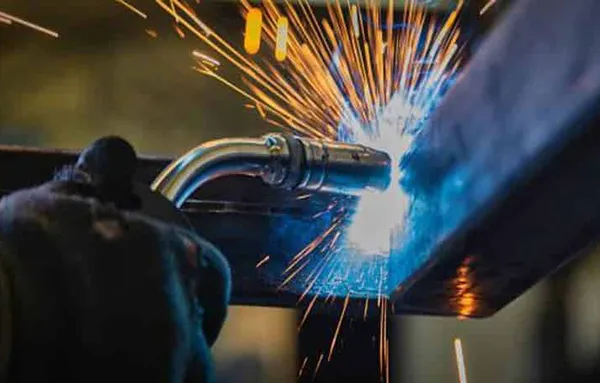
TIG welding uses a non‑consumable tungsten electrode to generate the arc, while you manually add filler metal into the weld pool. The filler metal has three jobs:
Wrong filler leads to porosity, cracking, or loss of corrosion resistance. That’s why understanding filler metal selection is essential for professional welding.
Filler metals are classified by alloy composition. The table below summarizes the most common types, typical AWS classifications, and their key characteristics.
| Alloy Type | Common AWS Classifications | Key Characteristics & Typical Applications |
| Carbon Steel | ER70S‑2, ER70S‑6 |
ER70S‑2: triple deoxidized, good for rusty/dirty steel, ideal for root passes. ER70S‑6: higher silicon & manganese, better fluidity on clean steel. |
| Stainless Steel | ER308L, ER316L, ER309L |
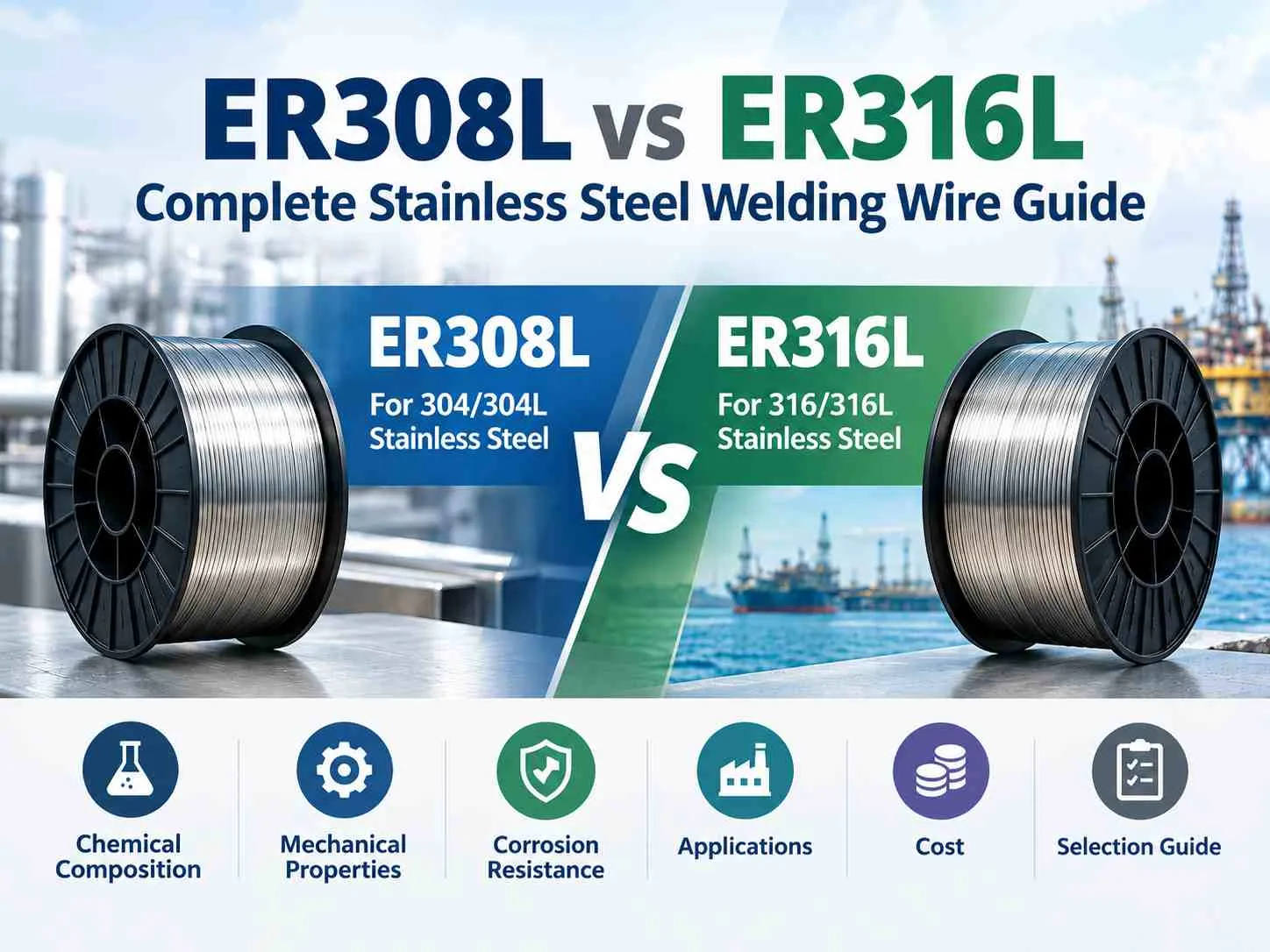
ER308L: matches 304/304L stainless. ER316L: contains molybdenum, for marine & chemical environments. ER309L: for welding stainless to carbon steel/dissimilar metals. |
| Aluminum | ER4043, ER5356 |
ER4043: 5% silicon, good fluidity, crack resistant, for 6xxx series (e.g., 6061). ER5356: 5% magnesium, higher strength, must be used if weld will be anodized. |
| Titanium | ERTi‑2, ERTi‑5 |
ERTi‑2: commercially pure titanium. ERTi‑5: Ti‑6Al‑4V alloy. Used in aerospace, medical, marine. |
| Nickel Alloys | ERNiCr‑3, ERNiCrMo‑3, ERNi‑1, etc. | High-temperature and corrosion resistant. See detailed section below for specific grades like Alloy 82, Alloy 625, and Nickel 200/201. |
Note: For high‑performance applications such as chemical processing, power generation, dissimilar metal joints, nickel alloy filler metals are the preferred choice. Detailed nickel alloy guidance is provided in the next section.
Nickel‑based filler metals are essential for welding Inconel®, Incoloy®, Monel®, or joining dissimilar metals. AWS A5.14 covers these grades. The most widely used:
Composition: 67–77.5% Ni, 18–22% Cr, 2–3% Nb+Ta. Tensile strength ~80 ksi. Ideal for welding Inconel® 600/601/690, Incoloy® 800/800HT, and joining nickel alloys to stainless steel or carbon steel.
Nickel‑chromium‑molybdenum filler for extreme corrosion and high‑temperature service. Used in chemical processing, power generation, marine. Great for cladding and dissimilar metal joints.
Commercially pure nickel filler for welding Nickel 200/201 base metals.
ERNiCrMo‑14 (686CPT) for duplex/super‑duplex steels and nickel alloys. Nickel 99 for cast iron repair. ERCuNi for copper‑nickel alloys to Nickel 200.
One key advantage: dissimilar metal welding. Nickel alloy fillers provide a metallurgical transition, preventing carbide precipitation and thermal mismatch. For example, ERNiCr‑3 joins nickel alloys to stainless or carbon steel without issues.
Follow these steps to select the correct filler metal for your TIG welding application.
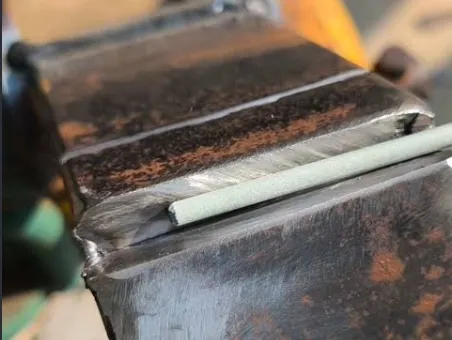
Feed the filler rod into the leading edge of the weld pool using a slow, controlled “dabbing” motion at 10‑20°. Hold the torch at about 15° to the workpiece. Always wipe filler rods with acetone before welding to remove surface contaminants.
Ready to equip your shop? We supply a full range of TIG filler metals: carbon steel ER70S‑2/6, stainless ER308L/316L, and nickel alloys including ERNiCr‑3 (Alloy 82), ERNiCrMo‑3 (Alloy 625), ERNi‑1, ERNiCu-7, and specialty grades. All products meet AWS A5.x with full traceability and MTRs available.
Get a Quote – Send us your filler metal type, size and weight for a custom price.
1. What is the best TIG filler for steel?
For general mild steel, ER70S‑6 is the best all‑around choice. It produces a clean, smooth bead and works well with most steels. For critical structural jobs where the base metal is slightly dirty, ER70S‑2 is preferred.
2. What material is used for TIG filler wire?
TIG filler wire is made from the same family of alloys as the base metal – carbon steel, stainless steel, aluminum, copper, nickel alloys, and titanium. Most common are ER70S‑6, ER308L, and ER4043/5356.
3. What’s the hardest thing to weld?
While “hardest” is subjective, many welders point to aluminum, especially thin sheet or castings because of its oxide layer, high thermal conductivity, and susceptibility to burn‑through. Others mention inconel or dissimilar metals like copper to aluminum. However, the right filler metal dramatically reduces difficulty, for example using ER4047 for cast aluminum or ERNiCr‑3 for Inconel.
4. What filler metal do you use for TIG welding 304 stainless steel?
ER308 or ER308L is the standard filler for TIG welding 304 stainless steel. ER308L is recommended for thinner material or when maximum corrosion resistance is needed after welding.
5. What filler rod for TIG welding carbon steel to stainless steel?
ER309L is the industry standard. It bridges the dilution between carbon and stainless steel, preventing martensitic crack formation.
Ronsco is a trusted global supplier of nickel alloy and stainless steel welding wires, including Inconel, Hastelloy, and Monel series. Our products are manufactured to meet industry standards and are widely used in demanding applications such as aerospace, oil & gas, chemical processing, and power generation. Explore our resource center for the latest industry insights, product knowledge, and technical references.
Contact us for a quote or technical assistance.


 English
 Español
 русский язык
 اللغة العربية